
 Aprika
 Asya
Asya Europa
 Timog Amerika
 Australia at Oceania
 Antarctica
 Karagatang Pasipiko
 Karagatang Atlantiko
 Karagatang Indiyano
 Karagatang Artiko
 Dagat Mediteraneo
 Dagat Pula
 Dagat Caribe
 Dagat Coral
 Dagat Timog Tsina
 Dagat Pilipinas
 Dagat Andaman
 Dagat Hilaga
 Dagat Timor at Arafura
 Look ng Bengal
 Golpo ng California
Common toad
 May lason sa balat nito
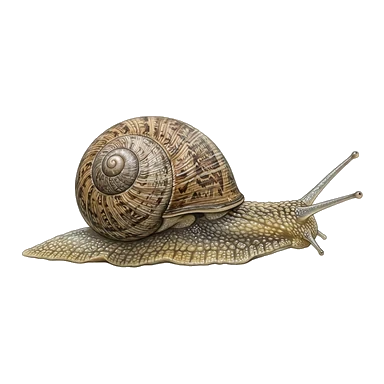
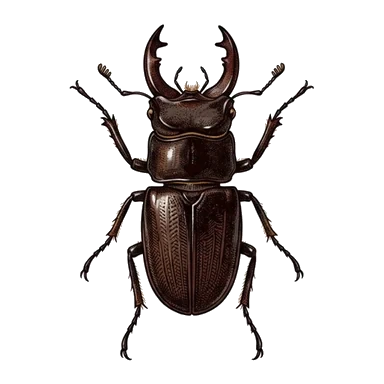
The common toad is a stout, warty toad that lives across most of Europe, in western North Asia and in a small part of northwest Africa. It hides under stones and leaves by day and hunts slugs, beetles and worms at night. Its skin releases a foul-tasting toxin that helps protect it from predators.1
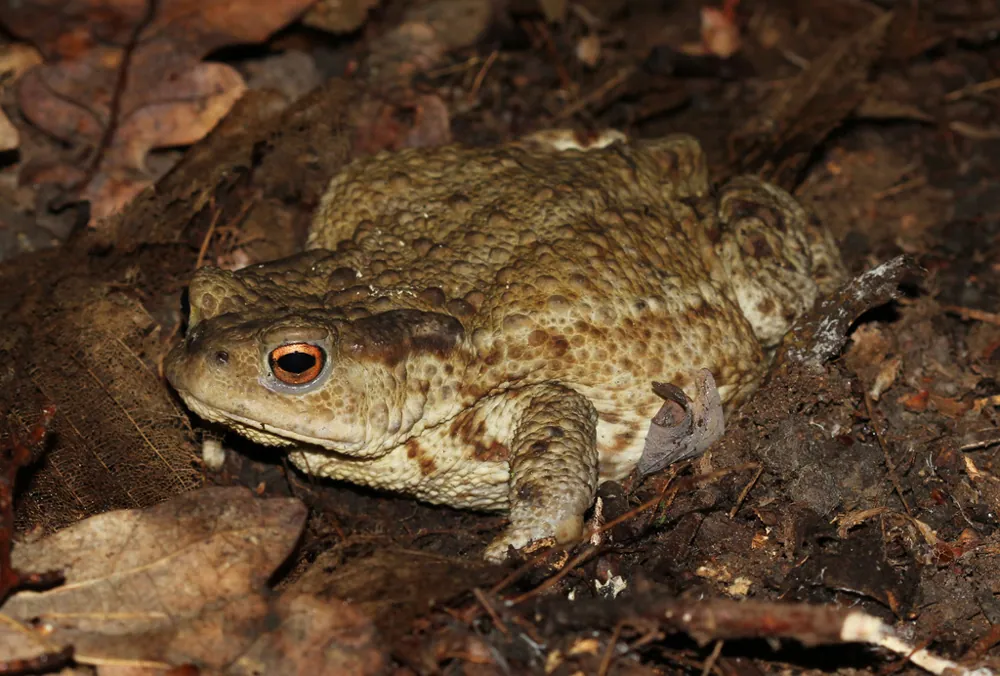
 Paano ito makikilala
- Greyish-brown, olive-brown or brown skin covered in small, wart-like lumps1
- Bulging paratoid glands just behind the eyes, which are a clear sign of a toad1
- Yellow or copper-coloured eyes with horizontal, slit-shaped pupils1
- No tail, no teeth, and no neck visible between the head and body1
- Walks slowly or makes short shuffling hops, rather than leaping1
Madalas mapagkamalang: The natterjack toad is usually smaller and has a yellow band down its back. The European green toad has a distinctive mottled pattern. The paratoid glands of both of these run parallel to each other, not slanting as in the common toad. The common frog has a less rounded snout, damp smooth skin, and usually leaps.1
Lakas ng lason
Nakalalason ang balat nito. Delikado itong hawakan, dilaan o kainin.
Ano ang epekto ng lason nito?
The toad is poisonous rather than venomous, so it does not inject venom. Its paratoid glands and other skin glands secrete a noxious, foul-tasting substance containing bufotoxin, which is enough to deter many predators. Grass snakes seem to be unaffected by it.1
Gaano ito kapanganib sa tao?
Panganib sa tao: MasakitTalagang masakit, pero halos hindi kailanman malala.Ano ang ginagawa nito kapag natatakot?
When attacked, it inflates its body and stands with its hindquarters raised and its head lowered.1
 Kung may humawak o kumain nito
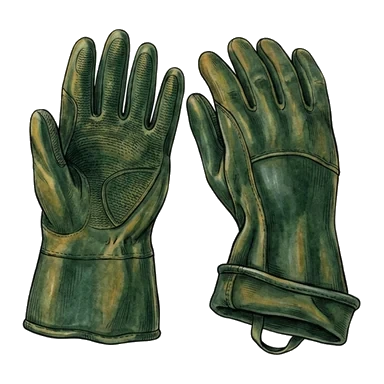
- Kung may humawak sa isa: hugasang mabuti ang mga kamay at huwag hawakan ang mata o bibig. Kung may batang o alagang hayop na dumila o kumain ng isa: tawagan ang poison control center o ang numero pang-emergency.
Laging tawagan muna ang numero pang-emergency (112, 000, 911). Ito ay pangkalahatang gabay sa pangunang lunas, hindi payong medikal. Mga batayan ng pangunang lunas
 Mag-ingat
- Huwag kailanman hawakan, hulihin o asarin ang ligaw na hayop, kahit maliit, at kahit mukha itong tulog o patay.
- Bigyan ito ng espasyo. Kung makasalubong ka ng isa, manatiling kalmado, dahan-dahang umatras at hayaan itong umalis.
- Kung nahawakan o nakain mo ito: huwag kuskusin ang mata o bibig mo, hugasan ang mga kamay mo at kumuha ng tulong medikal.
Hindi ka nito hinahabol. Ang lason nito ay para lang walang kumain dito. Higit pa tungkol sa pag-iingat
Gaano ito kalaki?
Gaano ito kahaba?
 kasinghaba ng 5 laruang building brick na magkakasunod
 kayang tapusin ang 100 metro sa loob ng 180 segundo (9.6 ang kailangan ng pinakamabilis na tao)
Gaano kalaki si Common toad kumpara sa IYO?
Math lang sa browser mo. Walang sine-save o ipinapadala kahit saan.
Gaano ito kabilis?


Mga fact
Common toads have been recorded at depths of about 99 m in Loch Ness, Scotland, which surprised researchers because it is an air-breathing animal.1
Crows have been seen puncturing the toad's skin and pecking out its liver to avoid the toxin.1
They can live for about ten to twelve years in the wild and have survived for fifty years in captivity.1
Toads can see prey in low light where humans cannot see anything.1
Adults often return to the same breeding pond year after year, and over 80% of males marked as juveniles were found to return to the pond where they were spawned.1
Para sa mga eksperto sa kamandag
- Pangalang siyentipiko
- Bufo bufo
- Grupo
- Mga poison frog, palaka at newt
- Pamilya
- Bufonidae2
- Ayos
- Anura
- Mga kontinente
- Europa, Asya
- Mga sanggol
- The female lays eggs in gelatinous strings in the water. These hatch into tadpoles, which take several months to grow and sprout limbs before becoming tiny toads.1
- Haba ng buhay
- mga 10 taon1
- Kalagayan nito sa ligaw
- Least Concern1
- Panganib sa tao
- 2 / 5: Masakit3
Saan galing ang mga fact
- Common toad (Wikipedia (CC BY-SA 4.0))
- Bufo bufo (iNaturalist): mga pangalan at klasipikasyon.
- Venom Wiki: sarili naming tantiya ang antas ng panganib, karaniwang laki at hula sa bilis. Tingnan kung paano namin ito kinukuwenta: Paano namin sinusukat ang panganib.
Bawat fact sa pahinang ito ay may numerong tumuturo sa pinagmulan nito. Kung may mali kami, pasensya na, mahilig lang kami sa hayop, hindi kami science journal. Sabihin sa amin sa [email protected] at aayusin namin.
 Gutom ang alakdan! Ang Venom Wiki ay proyekto ng iisang tao: libre, walang ads at walang trackers. Nakatutulong ang maliit na tip para manatili itong online.Pakainin ang alakdan
Higit pa mula sa parehong grupo: Mga poison frog, palaka at newt
 Fire salamanderMga poison frog, palaka at newtMasakit langHuwag hawakan
 Japanese fire-bellied newtMga poison frog, palaka at newtKailangan ng doktorHuwag hawakan
 European fire-bellied toadMga poison frog, palaka at newtHindi nakapipinsala
 Iberian ribbed newtMga poison frog, palaka at newtHindi nakapipinsala
 Natterjack toadMga poison frog, palaka at newtHindi nakapipinsala
 Oriental fire-bellied toadMga poison frog, palaka at newtHindi nakapipinsala
Nakatira rin sa: Europa
 Common European adderMga viper at adderKailangan ng doktor
 Spanish flyIba pang nakalalasong hayopKailangan ng doktorHuwag hawakan
 Common waspMga bubuyog, putakti at hornetMasakit lang
 European hornetMga bubuyog, putakti at hornetMasakit lang
 Western honey beeMga bubuyog, putakti at hornetMasakit lang
 Blunt-nosed viperMga viper at adderPuwedeng pumatay