
 Àfrica
 Àsia
Àsia Europa
 Amèrica del Sud
 Austràlia i Oceania
 Antàrtida
 Oceà Pacífic
 Oceà Atlàntic
 Oceà Índic
 Oceà Àrtic
 Mar Mediterrània
 Mar Roja
 Mar Carib
 Mar del Corall
 Mar de la Xina Meridional
 Mar de les Filipines
 Mar d'Andaman
 Mar del Nord
 Mar de Timor i d'Arafura
 Golf de Bengala
 Golf de Califòrnia
Common krait
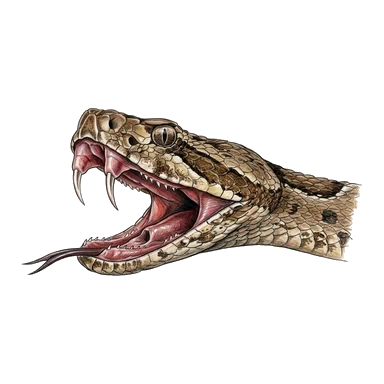 Mossegades
The common krait is a highly venomous snake that lives across South Asia. It is shiny black or bluish-black with thin white crossbands. It causes more medically significant snakebites in the Indian subcontinent than any other snake, so knowing what it looks like matters.1
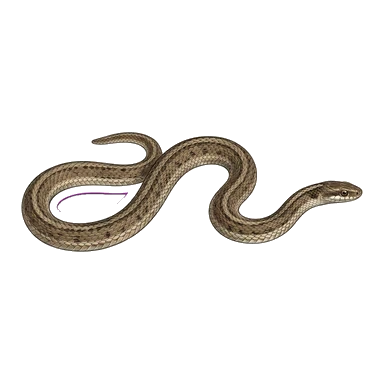
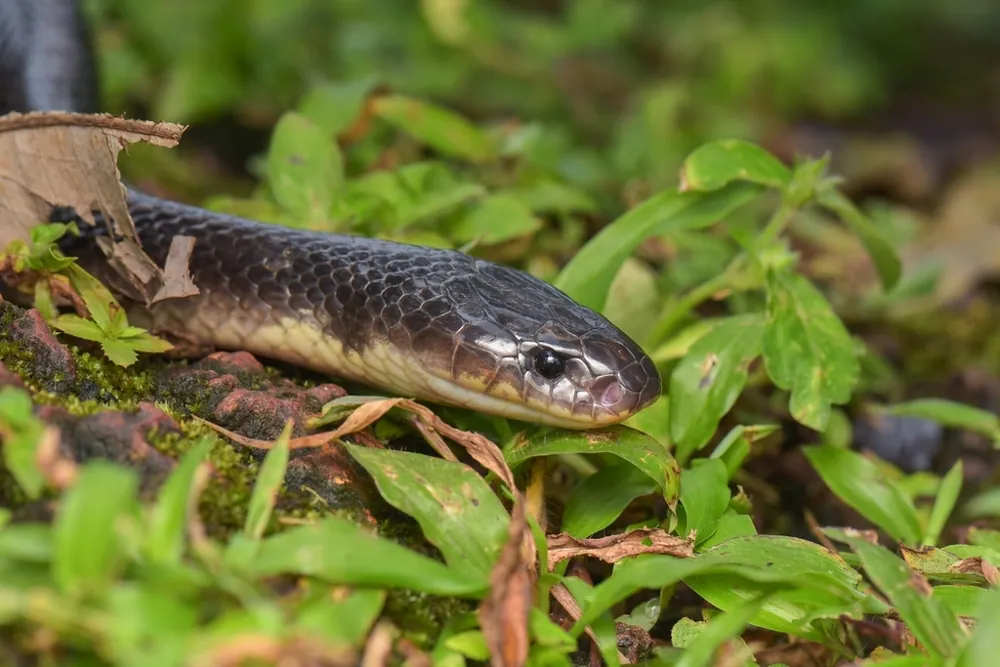
 Com reconèixer-lo
- Body is generally black or bluish-black.1
- About 40 thin, white crossbars run along the body. They may be faint or missing near the head in adults.1
- Young snakes have clear, well-defined crossbands, even near the head.1
- Older snakes may show the white lines as a series of connected spots.1
- The head is flat, the neck is hardly visible, and the tail is short and rounded.1
Poder del verí
El verí surt pels ullals o les dents quan mossega.
Què fa el seu verí?
Its venom is neurotoxic, meaning it attacks the nerves. It blocks signals between nerves and muscles, which leads to progressive paralysis. Victims often have severe abdominal cramps and shortness of breath. Death from respiratory failure, meaning the breathing muscles stop working, may follow in about 4 to 8 hours if untreated.1
Com de perillós és per a les persones?
Perill per a les persones: MortalUn dels animals més perillosos del món.It is responsible for the majority of medically significant snakebites in the Indian subcontinent. A clinical toxicology study reports an untreated mortality rate of 70 to 80 per cent. Bites often happen at night, when people are sleeping on the ground. The bite may cause little or no pain, which can delay treatment.1
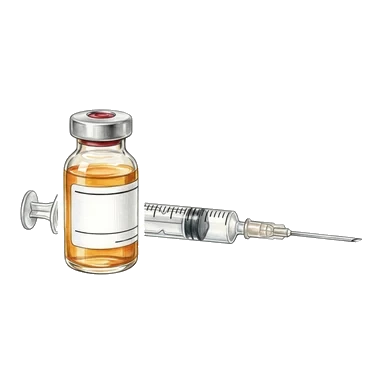 Bona notícia: els metges tenen un medicament (l'antiverí) o un tractament per a això.1
Què fa quan té por?
When threatened, it coils tightly with its head tucked underneath, may flatten its body, or makes sudden movements as a warning. It rarely bites unless provoked, but it can be more aggressive at night if disturbed.1
 Si mossega
- The main treatment is antivenom given in hospital. It should be given promptly, because it becomes less effective once paralysis has set in. Get medical help straight away after any suspected bite, even if there is little pain or swelling.1
- Mantén la persona quieta i tranquil·la, treu-li anells i coses que estrenyin i porta-la de pressa a un hospital: el tractament és l'antiverí.
Truca sempre primer al número d'emergències (112, 000, 911). Això són pautes generals de primers auxilis, no consells mèdics. Primers auxilis bàsics
 Estigues segur
- No toquis, atrapis ni molestis mai un animal salvatge, encara que sigui petit i encara que sembli adormit o mort.
- Deixa-li espai. Si en trobes un, mantén la calma, recula a poc a poc i deixa que segueixi el seu camí.
- Si te'n mossega un: mantén la calma, no et moguis, truca al número d'emergències (112, 000, 911) o ves de pressa a un hospital. Recorda com era, una foto ajuda.
No va a per tu. Fa servir el verí per caçar o per defensar-se, i prefereix mil vegades amagar-se. Més sobre com estar segur
Que gran és?
Quant fa de llarg?
 fa de llarg com 4 gats de casa del nas a la cua
 fa de llarg com 10 plàtans en fila
 podria recórrer 100 metres en 52 segons (l'humà més ràpid necessita 9,6)
Que gran és Common krait comparat amb TU?
Només càlculs al teu navegador. No es desa ni s'envia res enlloc.
Com de ràpid va?


Dades
A bite from this snake often causes little or no pain and almost no swelling or bleeding, which can make it hard to find the bite mark.1
Its venom is one of the most potent of any Indian snake, and the estimated lethal dose for a human is 2 to 3 mg.1
Its venom contains no clotting or tissue-destroying agents, which is why there is no local damage at the bite site.1
Neostigmine, a drug that works against cobra venom, does not work against common krait venom.1
It is mostly active at night and rarely meets people during the day.1
Its stable population has been helped by its ability to adapt to farmland and villages.1
Desmuntamites
Mite: A bite that does not hurt is harmless.
Veritat: The bite often causes little pain, but severe paralysis and breathing failure can follow. The lack of pain can give false reassurance.1
Per a experts en verins
- Nom científic
- Bungarus caeruleus
- Grup
- Cobres, mambes i kraits
- Família
- Elapidae2
- Ordre
- Squamata
- Continents
- Àsia
- Cries
- It lays 5 to 15 eggs in leaf litter or burrows. The female guards the eggs until they hatch after about 60 days. Hatchlings are fully independent and already carry venom.1
- Perill per a les persones
- 5 / 5: Mortal3
D'on surten les dades
- Common krait (Wikipedia (CC BY-SA 4.0))
- Bungarus caeruleus (iNaturalist): noms i classificació.
- Venom Wiki: el nivell de perill, la mida típica i la velocitat estimada són nostres. Mira com els calculem: Com valorem el perill.
Cada dada d'aquesta pàgina té un número que porta a la seva font. Si ens hem equivocat en alguna cosa, perdona, som fans dels animals, no una revista científica. Escriu-nos a [email protected] i ho arreglarem.
 L'escorpí té gana! Venom Wiki és un projecte d'una sola persona: gratuït, sense anuncis i sense rastrejadors. Una petita propina ajuda a mantenir-lo en línia.Dona menjar a l'escorpí
 Indian cobra
 King cobra
 Caspian cobra
 Malayan krait
 Many-banded krait
 Monocled cobra
 Deathstalker
 Indian saw-scaled viper
 Puff adder
 Escurçó de Russell
 Asian giant hornet
 Komodo dragon