
 Африка
 Азија
Азија Европа
 Јужна Америка
 Австралија и Океанија
 Антарктик
 Тихи Океан
 Атлантски Океан
 Индиски Океан
 Северен Леден Океан
 Средоземно Море
 Црвено Море
 Карипско Море
 Коралско Море
 Јужнокинеско Море
 Филипинско Море
 Андаманско Море
 Северно Море
 Тиморско и Арафурско Море
 Бенгалски Залив
 Калифорниски Залив
Common krait
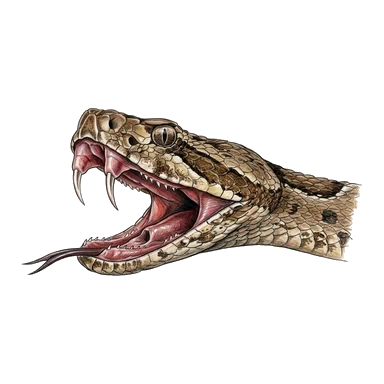 Каснувања
The common krait is a highly venomous snake that lives across South Asia. It is shiny black or bluish-black with thin white crossbands. It causes more medically significant snakebites in the Indian subcontinent than any other snake, so knowing what it looks like matters.1
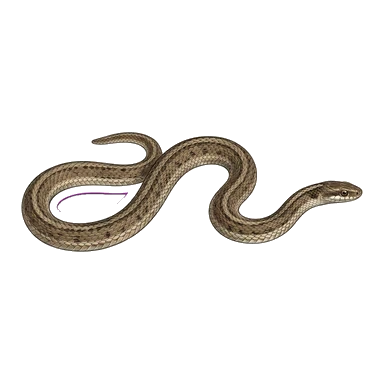
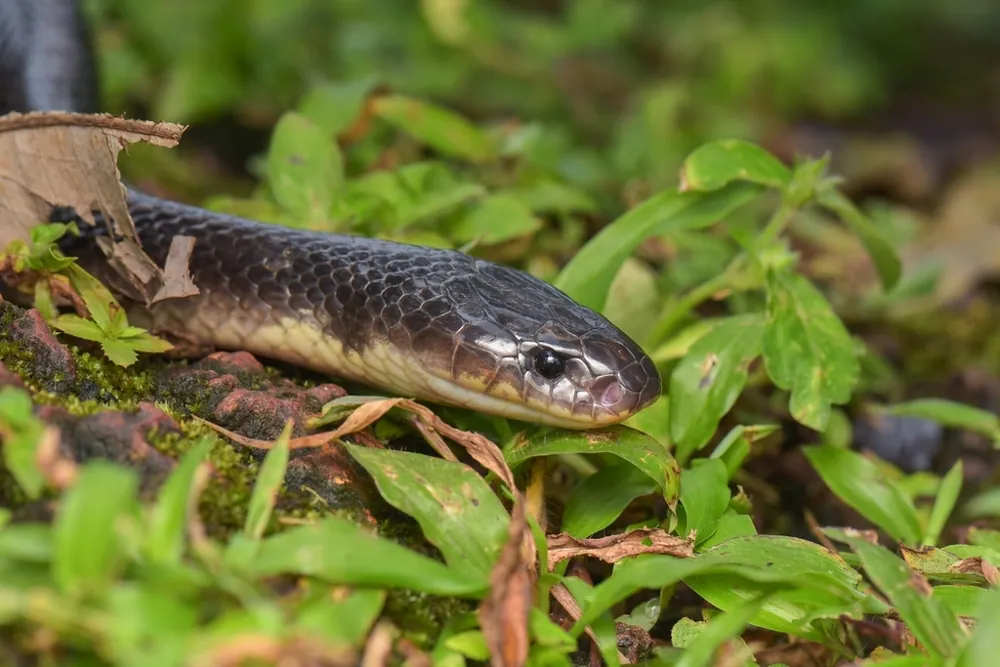
 Како да го препознаеш
- Body is generally black or bluish-black.1
- About 40 thin, white crossbars run along the body. They may be faint or missing near the head in adults.1
- Young snakes have clear, well-defined crossbands, even near the head.1
- Older snakes may show the white lines as a series of connected spots.1
- The head is flat, the neck is hardly visible, and the tail is short and rounded.1
Моќ на отровот
Отровот излегува преку отровните заби или забите кога каснува.
Што прави неговиот отров кога ќе касне или убоде?
Its venom is neurotoxic, meaning it attacks the nerves. It blocks signals between nerves and muscles, which leads to progressive paralysis. Victims often have severe abdominal cramps and shortness of breath. Death from respiratory failure, meaning the breathing muscles stop working, may follow in about 4 to 8 hours if untreated.1
Колку е опасно за луѓето?
Опасност за луѓето: СмртоносноЕдно од најопасните животни на светот.It is responsible for the majority of medically significant snakebites in the Indian subcontinent. A clinical toxicology study reports an untreated mortality rate of 70 to 80 per cent. Bites often happen at night, when people are sleeping on the ground. The bite may cause little or no pain, which can delay treatment.1
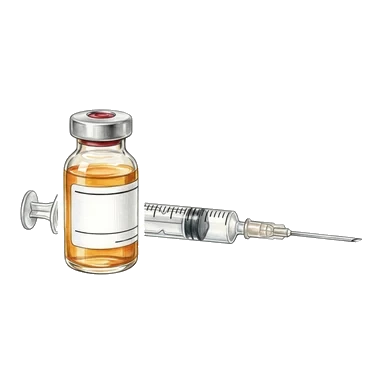 Добра вест: докторите имаат лек (противотров) или лекување за ова.1
Што прави кога ќе се исплаши?
When threatened, it coils tightly with its head tucked underneath, may flatten its body, or makes sudden movements as a warning. It rarely bites unless provoked, but it can be more aggressive at night if disturbed.1
 Ако каснува
- The main treatment is antivenom given in hospital. It should be given promptly, because it becomes less effective once paralysis has set in. Get medical help straight away after any suspected bite, even if there is little pain or swelling.1
- Држи ја личноста мирна и смирена, извади ги прстените и сè што стега и брзо однесете ја во болница: противотровот е лекот.
Секогаш прво јави се на бројот за итни случаи (112, 000, 911). Ова се општи упатства за прва помош, а не медицински совет. Основи на прва помош
 Биди безбеден
- Никогаш не допирај, не фаќај и не задевај диво животно, дури ни мало, и дури ако изгледа како да спие или да е мртво.
- Остави му простор. Ако го сретнеш, остани мирен, полека повлечи се и пушти го да си оди по својот пат.
- Ако некое од нив те касне: остани мирен, не мрдај, јави се на бројот за итни случаи (112, 000, 911) или брзо оди во болница. Запомни како изгледаше, фотографија помага.
Не те напаѓа намерно. Го користи отровот за да фати храна или да се заштити, и многу повеќе би сакало да се скрие. Повеќе за безбедноста
Колку е големо?
Колку е долго?
 долго колку 4 домашни мачки од нос до опашка
 долго колку 10 банани наредени една до друга
 би можело да истрча 100 метри за 52 секунди (на најбрзиот човек му требаат 9,6)
Common krait и ТИ: кој е поголем?
Само математика во твојот прелистувач. Ништо не се зачувува и никаде не се праќа.
Колку е брзо?


Факти
A bite from this snake often causes little or no pain and almost no swelling or bleeding, which can make it hard to find the bite mark.1
Its venom is one of the most potent of any Indian snake, and the estimated lethal dose for a human is 2 to 3 mg.1
Its venom contains no clotting or tissue-destroying agents, which is why there is no local damage at the bite site.1
Neostigmine, a drug that works against cobra venom, does not work against common krait venom.1
It is mostly active at night and rarely meets people during the day.1
Its stable population has been helped by its ability to adapt to farmland and villages.1
Рушител на митови
Мит: A bite that does not hurt is harmless.
Вистина: The bite often causes little pain, but severe paralysis and breathing failure can follow. The lack of pain can give false reassurance.1
За експерти за отрови
- Научно име
- Bungarus caeruleus
- Група
- Кобри, мамби и крајти
- Семејство
- Elapidae2
- Редослед
- Squamata
- Континенти
- Азија
- Бебиња
- It lays 5 to 15 eggs in leaf litter or burrows. The female guards the eggs until they hatch after about 60 days. Hatchlings are fully independent and already carry venom.1
- Опасност за луѓето
- 5 / 5: Смртоносно3
Од каде доаѓаат фактите
- Common krait (Wikipedia (CC BY-SA 4.0))
- Bungarus caeruleus (iNaturalist): имиња и класификација.
- Venom Wiki: нивото на опасност, типичната големина и проценката на брзината се наши. Види како ги пресметуваме: Како ја оценуваме опасноста.
Секој факт на оваа страница има број што води до неговиот извор. Ако сме згрешиле нешто, извини, ние сме љубители на животни, не научно списание. Кажи ни на [email protected] и ќе поправиме.
 Скорпијата е гладна! Venom Wiki е проект на еден човек: бесплатен, без реклами и без следачи. Мала поддршка помага да остане онлајн.Нахрани ја скорпијата
 Indian cobra
 King cobra
 Caspian cobra
 Malayan krait
 Many-banded krait
 Monocled cobra
 Deathstalker
 Indian saw-scaled viper
 Puff adder
 Russell's viper
 Asian giant hornet
 Komodo dragon