
 Áfíríkà
 Éṣíà
Éṣíà Yúróòpù
 Gúúsù Amẹ́ríkà
 Ọsirélíà àti Òṣéáníà
 Antáktíkà
 Òkun Pàsífíìkì
 Òkun Àtìláńtíìkì
 Òkun Íńdíà
 Òkun Áktíkì
 Òkun Mẹditaréníà
 Òkun Pupa
 Òkun Káríbíànù
 Òkun Coral
 Òkun Gúúsù Ṣáínà
 Òkun Fílípínì
 Òkun Andaman
 Òkun Àríwá
 Òkun Tímọ̀ àti Òkun Àráfúrà
 Ìyawọlẹ̀ Òkun Bẹ̀ngál
 Ìyawọlẹ̀ Òkun Kalifọ́níà
Urutu
 Ìbùjẹ
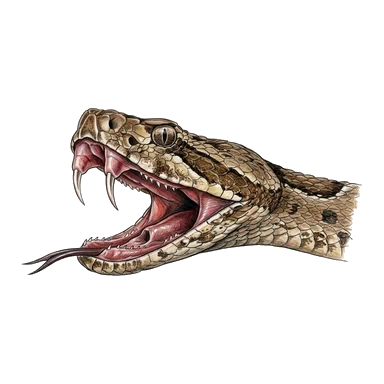
ÌbùjẹThe urutu is a large, stout pit viper from South America. It is highly venomous and is an important cause of snakebites in the areas where it lives. Its body has a striking pattern of dark crescent-shaped markings.1
 Bí o ṣe lè dá a mọ̀
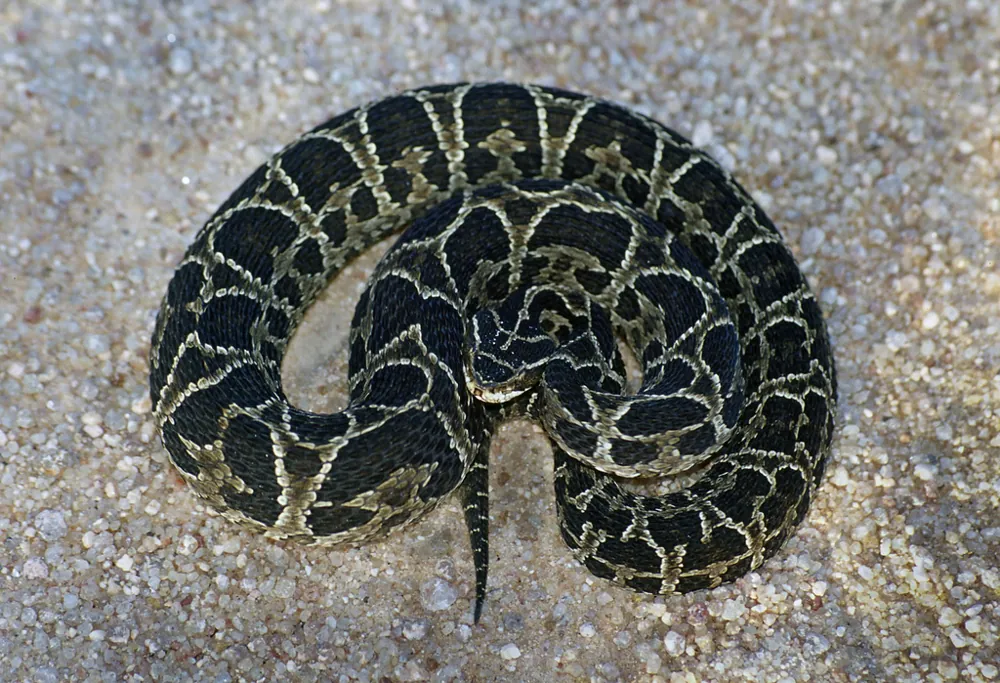
- Large and stout, most adults are 80 to 120 cm long.1
- The top of the head is usually chocolate brown to almost black, with tan to white markings.1
- The body has 22 to 28 dark brown to black markings, each bordered in cream or white. Some look like a cross, and some look like a headphone shape.1
- The pattern on the tail forms a zigzag.1
- A dark brown to black stripe runs along the underside from the neck to the tail tip.1
Agbára oró
Oró ń jáde láti inú eyín oró tàbí eyín rẹ̀ nígbà tí ó bá bùjẹ.
Kí ni oró rẹ̀ máa ń ṣe?
The urutu is highly venomous. Its venom mainly contains phospholipase A2, snake venom metalloproteinases, snake venom serine proteases and C-type lectins. In one study of 32 patients, all had local pain and swelling, 97% had prolonged blood clotting, 41% had bleeding (usually from the gums), 32% had blistering and 9% had necrosis (death of tissue).1
Báwo ló ṣe léwu tó fún ènìyàn?
Ewu fún ènìyàn: Ó léwu gan-anÓ lè pa ènìyàn tí kò bá rí ìtọ́jú.Bites are an important cause of snakebite in its range and often cause severe local tissue damage, but they are rarely fatal. In a survey of 6,601 snakebite cases in Central and South America, 384 were attributed to this species, and 8 of those (2%) were fatal. Some bites have caused gangrene that required amputation, and in 2004 a 44-year-old woman died of a brain bleed after being bitten at home.1
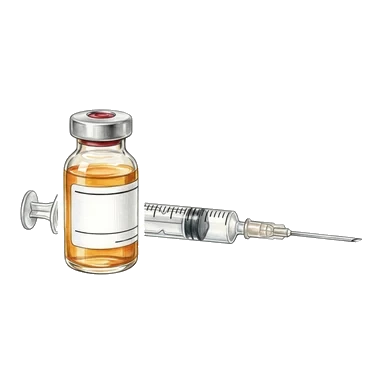 Ìròyìn ayọ̀: àwọn dókítà ní oògùn (antivenom) tàbí ìtọ́jú fún èyí.1
 Bí ó bá bùjẹ
- In one Brazilian hospital study, all 32 bitten patients were treated with specific antivenin (antivenom), and none of them died.1
- Jẹ́ kí ẹni náà wà láìmira kí ó sì farabalẹ̀, jẹ́ kí apá tàbí ẹsẹ̀ tí ó bù jẹ wà ní ìpele ọkàn, yọ òrùka àti àwọn nǹkan tó há, kí ẹ sì lọ sí ilé ìwòsàn kíákíá.
Máa kọ́kọ́ pe nọ́ńbà pàjáwìrì rẹ nígbà gbogbo (112, 000, 911). Èyí jẹ́ ìtọ́sọ́nà ìtọ́jú àkọ́kọ́ gbogbogbò, kì í ṣe ìmọ̀ràn ìṣègùn. Ìpìlẹ̀ ìtọ́jú àkọ́kọ́
 Wà láìléwu
- Má ṣe fọwọ́ kan, mú tàbí yọ ẹranko igbó lẹ́nu láéláé, kódà bí ó bá kéré, kódà bí ó bá dà bí ẹni pé ó ń sùn tàbí ó ti kú.
- Fún un ní àyè. Bí o bá pàdé ọ̀kan, farabalẹ̀, sẹ́yìn díẹ̀díẹ̀ kí o sì jẹ́ kí ó máa bá ọ̀nà rẹ̀ lọ.
- Bí ọ̀kan bá bù ọ́ jẹ: farabalẹ̀, má ṣe mira, pe nọ́ńbà pàjáwìrì rẹ (112, 000, 911) tàbí lọ sí ilé ìwòsàn kíákíá. Rántí bí ó ṣe rí, fọ́tò máa ń ṣèrànwọ́.
Kò wá ọ kiri láti ṣe ọ́ léṣe. Ó ń lo oró rẹ̀ láti mú oúnjẹ tàbí láti dáàbò bo ara rẹ̀, ó sì fẹ́ràn láti farapamọ́ jù. Sí i nípa wíwà láìléwu
Báwo ló ṣe tóbi tó?
Báwo ló ṣe gùn tó?
 ó gùn tó ológbò ilé 3 láti imú dé ìrù
 ó gùn tó ọ̀gẹ̀dẹ̀ 9 tí a tò tẹ̀léra
 lè sáré mítà 100 ní ìṣẹ́jú-àáyá 95 (ènìyàn tó yára jùlọ nílò 9.6)
Báwo ni Urutu ṣe tóbi tó tí a bá fi wé ÌWỌ?
Ìṣirò nìkan nínú bráwúsà rẹ. A kò fi ohunkóhun pamọ́, a kò sì fi ránṣẹ́ sí ibikíbi.
Báwo ló ṣe yára tó?


Òtítọ́
Genome sequencing found 59 toxin genes from 16 toxin families.1
Its verified maximum length is 169 cm, although reports of over 2 m exist.1
Some unusual individuals have dark stripes running the full length of the body.1
In some specimens the pattern is so concentrated that the markings and the gaps between them are the same colour.1
Females are significantly longer and heavier than males.1
Olùfọ́ àròsọ
Àròsọ: The bite of this snake is almost always deadly.
Òtítọ́: Bites are rarely fatal, although they often cause severe local tissue damage. In one survey, only 2% of cases attributed to this species were fatal.1
Fún àwọn amòye oró
- Orúkọ sáyẹ́ǹsì
- Bothrops alternatus
- Ẹgbẹ́
- Pit viper
- Ìdílé
- Viperidae2
- Ètò
- Squamata
- Àwọn kọ́ńtínẹ́ńtì
- Gúúsù Amẹ́ríkà
- Àwọn ọmọ
- It gives birth to live young, with captive females producing 3 to 12 young and some females producing up to 24. The newborns look like adults but are more brightly coloured, and they can strike venomously from birth.1
- Ewu fún ènìyàn
- 4 / 5: Ó léwu gan-an3
Ibi tí àwọn òtítọ́ ti wá
- Bothrops alternatus (Wikipedia (CC BY-SA 4.0))
- Bothrops alternatus (iNaturalist): orúkọ àti ìpínsísọ̀rí.
- Venom Wiki: ìpele ewu, ìtóbi déédé àti àfojúbù ìyára jẹ́ tiwa. Wo bí a ṣe ń ṣírò wọn: Bí a ṣe ń díwọ̀n ewu.
Gbogbo òtítọ́ ojú-ìwé yìí ní nọ́ńbà tó tọ́ka sí orísun rẹ̀. Bí a bá ṣe àṣìṣe, má bínú, olólùfẹ́ ẹranko ni wá, kì í ṣe ìwé ìròyìn sáyẹ́ǹsì. Sọ fún wa ní [email protected] a ó sì tún un ṣe.
 Ebi ń pa àkekèé! Iṣẹ́ akanṣe ẹnì kan ṣoṣo ni Venom Wiki: ọ̀fẹ́ ni, kò sí ìpolówó, kò sì sí olùtọpinpin. Ẹ̀bùn kékeré ń ràn án lọ́wọ́ láti wà lórí íńtánẹ́ẹ̀tì.Bọ́ àkekèé
Sí i láti inú ẹgbẹ́ kan náà: Pit viper
 Terciopelo
 Eyelash viper
 Golden lancehead
 South American bushmaster
 Common lancehead
 Jararaca
Ó tún ń gbé ní: Gúúsù Amẹ́ríkà
 Golden poison frogÀkèré onímájèlé, ọ̀pọ̀lọ́ àti newtApaniMá ṣe fọwọ́ kàn án
 Brazilian wandering spiderAlántakùnÓ lè pani
 Cane toadÀkèré onímájèlé, ọ̀pọ̀lọ́ àti newtÓ nílò dókítàMá ṣe fọwọ́ kàn án
 Peruvian giant centipedeÀwọn centipede (ọ̀kùn olóró)Ó nílò dókítà
 Bullet antÈèràÓ kàn ń dunni
 Common vampire batẸranko afọmúbọ́mọ olóróÓ kàn ń dunni