
 Afrika
 Azija
Azija Europa
 Pietų Amerika
 Australija ir Okeanija
 Antarktida
 Ramusis vandenynas
 Atlanto vandenynas
 Indijos vandenynas
 Arkties vandenynas
 Viduržemio jūra
 Raudonoji jūra
 Karibų jūra
 Koralų jūra
 Pietų Kinijos jūra
 Filipinų jūra
 Andamanų jūra
 Šiaurės jūra
 Timoro ir Arafūros jūros
 Bengalijos įlanka
 Kalifornijos įlanka
Common lancehead
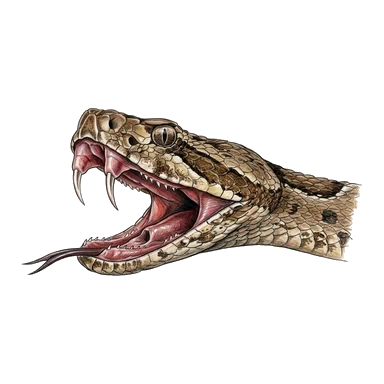 Įkandimai
The common lancehead is a highly venomous pit viper that lives in the tropical lowlands of northern South America and on the Caribbean island of Trinidad. It is one of the most common pit vipers in its range and is not endangered. Its venom disrupts blood clotting, which makes its bite especially serious.1
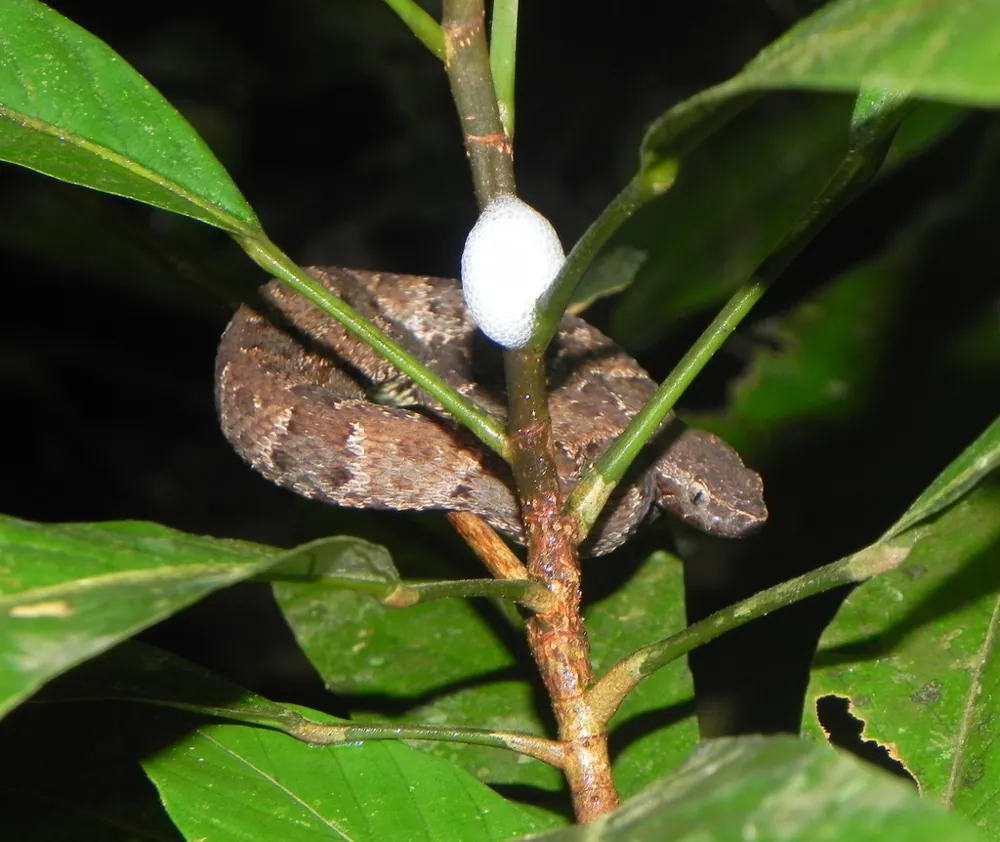
 Kaip jį atpažinti
- Ground colour is olive, brown, tan, grey or yellow, and rarely rusty.1
- The body pattern is a series of blotches that often fuse into bands. The markings are X-like, which is why some local names refer to the letter X.1
- The chin is pale yellow, and a dark stripe runs from behind the eye to the corner of the mouth.1
- The irises are gold or bronze, and the tongue is black.1
- Adults usually measure 75 to 125 cm in total length and are moderately heavy-bodied.1
Dažnai painiojamas su: It is often confused with Bothrops asper, which was once included in this species. Most authorities now consider B. asper to be a separate species. This confusion also makes reports of its maximum size unclear.1
Nuodų galia
Nuodai išeina per iltis ar dantis, kai jis įkanda.
Ką daro jo nuodai?
Its venom is haemorrhagic, meaning it damages the lining of blood vessels and uses up the substances that allow blood to clot. Symptoms can include severe bleeding, kidney failure, abnormal clotting, blisters and necrosis (death of body tissue). Bleeding in the brain can also occur. Recovery from the clotting problem has been seen 14 to 30 hours after a bite.1
Koks jis pavojingas žmonėms?
Pavojus žmonėms: MirtinasVienas pavojingiausių gyvūnų pasaulyje.The bite is serious and can be fatal. Plantation workers are often bitten. Juvenile snakes have more lethal venom that kills more quickly, and people bitten by young snakes are more likely to develop the clotting problem. In a case reported in the Brazilian Amazon, the patient died of a stroke even after antivenom was given. A Mexican polyvalent antivenom tested against it had no effect on the clotting problem.1
Ką jis daro, kai išsigąsta?
It is easily agitated, and it can lie camouflaged for hours, nearly undetectable, then strike at high speed.1
 Jei jis įkanda
- Laikyk žmogų nejudantį ir ramų, įkąstą galūnę laikyk širdies lygyje, nuimk žiedus ir kitus veržiančius daiktus ir greitai nugabenk į ligoninę.
Visada pirmiausia skambink pagalbos numeriu (112, 000, 911). Tai bendri pirmosios pagalbos patarimai, o ne medicininė konsultacija. Pirmosios pagalbos pagrindai
 Būk saugus
- Niekada neliesk, negaudyk ir neerzink laukinio gyvūno, net mažo, ir net jei jis atrodo miegantis ar negyvas.
- Palik jam vietos. Jei tokį sutiksi, išlik ramus, lėtai atsitrauk ir leisk jam eiti savo keliu.
- Jei toks tau įkando: išlik ramus, nejudėk, skambink pagalbos numeriu (112, 000, 911) arba greitai vyk į ligoninę. Įsimink, kaip jis atrodė, nuotrauka padeda.
Jis nesiruošia tavęs medžioti. Nuodus jis naudoja maistui sugauti arba apsiginti ir daug mieliau pasislėptų. Daugiau apie saugumą
Koks jis didelis?
Koks jis ilgas?
 ilgas kaip 3 naminės katės nuo nosies iki uodegos
 ilgas kaip 9 bananai, sudėti vienas po kito
 galėtų nubėgti 100 metrų per 92 sekundžių (greičiausiam žmogui reikia 9,6)
Koks didelis Common lancehead, palyginti su TAVIMI?
Tik matematika tavo naršyklėje. Niekas neišsaugoma ir niekur nesiunčiama.
Koks jis greitas?


Faktai
An enzyme called reptilase, or batroxobin, is taken from its venom and used in modern medical laboratories to measure fibrinogen levels and blood clotting. The enzyme is not affected by heparin.1
Although it is mostly terrestrial, it is an excellent swimmer and will climb trees when needed to reach prey.1
Females with developing embryos move in and out of sunlight to keep themselves and the embryos at a constant temperature.1
Venom yield averages 124 milligrams, but can reach 342 milligrams.1
Despite the large-scale destruction of rainforests, it is among the most numerous and common of pit vipers.1
Nuodų ekspertams
- Mokslinis pavadinimas
- Bothrops atrox
- Grupė
- Duobagalvės angys
- Šeima
- Viperidae2
- Tvarka
- Squamata
- Žemynai
- Pietų Amerika
- Mažyliai
- It gives birth to live young, up to 80 at once, with an average of about 60 per litter in equatorial regions after a gestation of three to four months.1
- Kaip jam sekasi gamtoje
- Not endangered1
- Pavojus žmonėms
- 5 / 5: Mirtinas3
Iš kur faktai
- Bothrops atrox (Wikipedia (CC BY-SA 4.0))
- Bothrops atrox (iNaturalist): pavadinimai ir klasifikacija.
- Venom Wiki: pavojaus lygis, tipiškas dydis ir greičio spėjimas yra mūsų pačių. Pažiūrėk, kaip juos apskaičiuojame: Kaip vertiname pavojų.
Kiekvienas faktas šiame puslapyje turi numerį, rodantį į jo šaltinį. Jei kažką supainiojome, atsiprašome, mes gyvūnų gerbėjai, o ne mokslo žurnalas. Parašyk mums [email protected] ir mes ištaisysime.
 Skorpionas alkanas! Venom Wiki yra vieno žmogaus projektas: nemokamas, be reklamų ir be sekiklių. Maži arbatpinigiai padeda jam išlikti internete.Pamaitink skorpioną
Daugiau iš tos pačios grupės: Duobagalvės angys
 Terciopelo
 Eyelash viper
 Golden lancehead
 South American bushmaster
 Jararaca
 Jararacussu
Taip pat gyvena: Pietų Amerika
 Golden poison frogToksiškos varlės, rupūžės ir tritonaiMirtinasNeliesti
 Brazilian wandering spiderVoraiGali nužudyti
 Cane toadToksiškos varlės, rupūžės ir tritonaiReikia gydytojoNeliesti
 Peruvian giant centipedeŠimtakojaiReikia gydytojo
 Bullet antSkruzdėlėsTik skauda
 Common vampire batNuodingi žinduoliaiTik skauda