
 افریقا
 اسیا
اسیا اروپا
اروپا سویلي امریکا
 استرالیا او اوقیانوسیه
 انټارکټیکا
 ارام سمندر
 اطلس سمندر
 هند سمندر
 شمالي منجمد سمندر
 مدیترانه بحیره
 سره بحیره
 د کارائیب بحیره
 مرجاني بحیره
 د سویلي چین بحیره
 د فیلیپین بحیره
 د اندامان بحیره
 شمالي بحیره
 د تیمور او ارافورا بحیره
 د بنګال خلیج
 د کالیفورنیا خلیج
Common lancehead
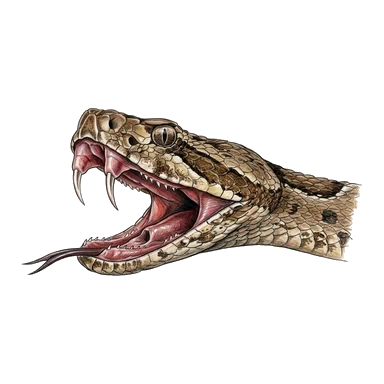 چیچي
چیچيThe common lancehead is a highly venomous pit viper that lives in the tropical lowlands of northern South America and on the Caribbean island of Trinidad. It is one of the most common pit vipers in its range and is not endangered. Its venom disrupts blood clotting, which makes its bite especially serious.1
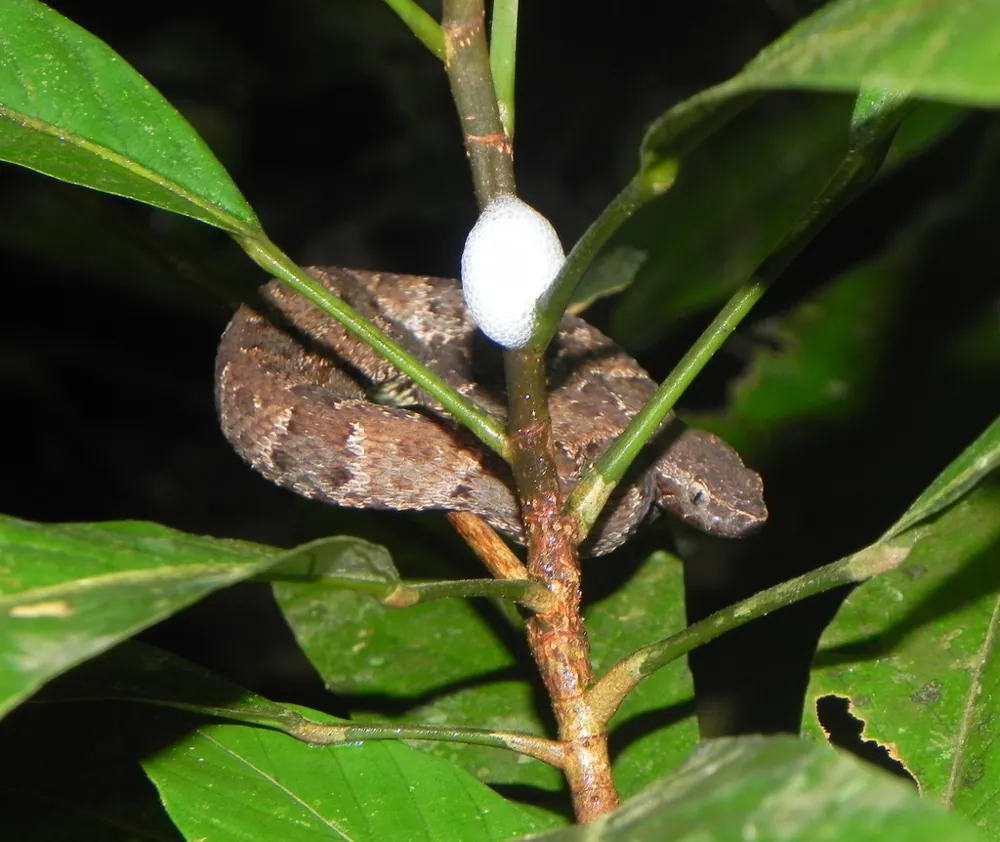
 څنګه یې وپېژنې
- Ground colour is olive, brown, tan, grey or yellow, and rarely rusty.1
- The body pattern is a series of blotches that often fuse into bands. The markings are X-like, which is why some local names refer to the letter X.1
- The chin is pale yellow, and a dark stripe runs from behind the eye to the corner of the mouth.1
- The irises are gold or bronze, and the tongue is black.1
- Adults usually measure 75 to 125 cm in total length and are moderately heavy-bodied.1
ډېر ځله ورسره ګډوډ کېږي: It is often confused with Bothrops asper, which was once included in this species. Most authorities now consider B. asper to be a separate species. This confusion also makes reports of its maximum size unclear.1
د زهرو ځواک
کله چې چیچي، زهر یې له زهري غاښونو یا غاښونو راوځي.
زهر یې (چیچل یا نیش) څه کوي؟
Its venom is haemorrhagic, meaning it damages the lining of blood vessels and uses up the substances that allow blood to clot. Symptoms can include severe bleeding, kidney failure, abnormal clotting, blisters and necrosis (death of body tissue). Bleeding in the brain can also occur. Recovery from the clotting problem has been seen 14 to 30 hours after a bite.1
انسانانو ته څومره خطرناک دی؟
انسانانو ته خطر: وژونکید نړۍ یو له تر ټولو خطرناکو ژویو څخه.The bite is serious and can be fatal. Plantation workers are often bitten. Juvenile snakes have more lethal venom that kills more quickly, and people bitten by young snakes are more likely to develop the clotting problem. In a case reported in the Brazilian Amazon, the patient died of a stroke even after antivenom was given. A Mexican polyvalent antivenom tested against it had no effect on the clotting problem.1
کله چې ډار شي څه کوي؟
It is easily agitated, and it can lie camouflaged for hours, nearly undetectable, then strike at high speed.1
 که وچیچي
- کس بېحرکته او ارام وساته، چیچل شوی لاس یا پښه د زړه په کچه وساته، ګوتمې او ټینګ شیان لرې کړه، او ژر یې روغتون ته ورسوه.
تل لومړی خپلې بیړنۍ شمېرې ته زنګ ووهه (112، 000، 911). دا د لومړنۍ مرستې عمومي لارښوونه ده، طبي مشوره نه ده. د لومړنۍ مرستې بنسټونه
 خوندي اوسه
- هېڅکله ځنګلی ژوی مه لمسوه، مه یې نیسه او مه یې ځوروه، حتی که کوچنی وي، او حتی که ویده یا مړ ښکاري.
- ورته ځای ورکړه. که له یوه سره مخ شوې، ارام اوسه، ورو ورو شاته شه او پرېږده چې خپله لار ولاړ شي.
- که یو دې وچیچي: ارام اوسه، بېحرکته پاتې شه، خپلې بیړنۍ شمېرې ته زنګ ووهه (112، 000، 911) یا ژر روغتون ته ورسېږه. په یاد ولره چې څه ډول ښکارېده، عکس مرسته کوي.
دا ستا پسې نه ګرځي. خپل زهر د خوراک نیولو یا د ځان ساتلو لپاره کاروي، او ډېر غوره ګڼي چې پټ شي. د خوندي پاتې کېدو په اړه نور
په نړۍ کې چېرته؟
څومره لوی دی؟
څومره اوږد دی؟
 د 3 کورنیو پیشو هومره اوږد چې پوزه یې د بل لکۍ ته وي
 د 9 کېلو هومره اوږد چې یو د بل پسې ایښودل شوي وي
 کولای شي 100 متره په 92 ثانیو کې ووهي (تر ټولو چټک انسان 9.6 ته اړتیا لري)
Common lancehead ستا په پرتله څومره لوی دی؟
یوازې ستا په براوزر کې حساب کتاب. هېڅ شی نه خوندي کېږي او نه چېرته لېږل کېږي.
څومره چټک دی؟


حقیقتونه
An enzyme called reptilase, or batroxobin, is taken from its venom and used in modern medical laboratories to measure fibrinogen levels and blood clotting. The enzyme is not affected by heparin.1
Although it is mostly terrestrial, it is an excellent swimmer and will climb trees when needed to reach prey.1
Females with developing embryos move in and out of sunlight to keep themselves and the embryos at a constant temperature.1
Venom yield averages 124 milligrams, but can reach 342 milligrams.1
Despite the large-scale destruction of rainforests, it is among the most numerous and common of pit vipers.1
د زهرو د کارپوهانو لپاره
- علمي نوم
- Bothrops atrox
- ډله
- د سوري لرونکې افعي ګانې
- کورنۍ
- Viperidae2
- ترتیب
- Squamata
- وچې
- سویلي امریکا
- کوچني ماشومان
- It gives birth to live young, up to 80 at once, with an average of about 60 per litter in equatorial regions after a gestation of three to four months.1
- په طبیعت کې یې حال څنګه دی
- Not endangered1
- انسانانو ته خطر
- 5 / 5: وژونکی3
حقیقتونه له کومه راځي
- Bothrops atrox (Wikipedia (CC BY-SA 4.0))
- Bothrops atrox (iNaturalist): نومونه او ډلبندي.
- Venom Wiki: د خطر کچه، عادي اندازه او د سرعت اټکل زموږ خپل دي. وګوره چې څنګه یې محاسبه کوو: موږ خطر څنګه اندازه کوو.
په دې پاڼه کې هر حقیقت یوه شمېره لري چې خپلې سرچینې ته اشاره کوي. که موږ څه غلط کړي وي، بښنه غواړو، موږ د ژویو مینهوال یو، نه علمي مجله. په [email protected] کې راته ووایه او موږ به یې سم کړو.
 لړم وږی دی! Venom Wiki د یو کس پروژه ده: وړیا، پرته له اعلانونو او تعقیبوونکو. یوه کوچنۍ ډالۍ یې په انټرنېټ کې ساتلو کې مرسته کوي.لړم ته خواړه ورکړه
له همدې ډلې نور: د سوري لرونکې افعي ګانې
 Terciopelo
 Eyelash viper
 Golden lancehead
 South American bushmaster
 Jararaca
 Jararacussu
دلته هم اوسېږي: سویلي امریکا
 Golden poison frogزهري چونګښې، ګوګړې چونګښې او نیوټونهوژونکیمه یې لمسوه
 Brazilian wandering spiderغڼېوژلای شي
 Cane toadزهري چونګښې، ګوګړې چونګښې او نیوټونهډاکټر ته اړتیا لريمه یې لمسوه
 Peruvian giant centipedeزرپښيډاکټر ته اړتیا لري
 Bullet antمېږیانیوازې درد کوي
 Common vampire batزهرجن تي لرونکيیوازې درد کوي