
 แอฟริกา
 เอเชีย
 ยุโรป
ยุโรป อเมริกาใต้
 ออสเตรเลียและโอเชียเนีย
 แอนตาร์กติกา
 มหาสมุทรแปซิฟิก
 มหาสมุทรแอตแลนติก
 มหาสมุทรอินเดีย
 มหาสมุทรอาร์กติก
 ทะเลเมดิเตอร์เรเนียน
 ทะเลแดง
 ทะเลแคริบเบียน
 ทะเลคอรัล
 ทะเลจีนใต้
 ทะเลฟิลิปปิน
 ทะเลอันดามัน
 ทะเลเหนือ
 ทะเลติมอร์และอาราฟูรา
 อ่าวเบงกอล
 อ่าวแคลิฟอร์เนีย
Katipo
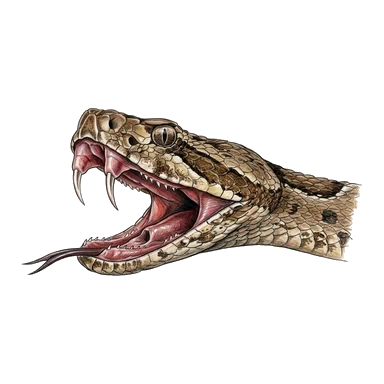 การกัด
The katipō is a cobweb spider found only in New Zealand, where it lives in coastal sand dunes. It is closely related to the Australian redback spider. Its bite is venomous to people, but bites are rare.1

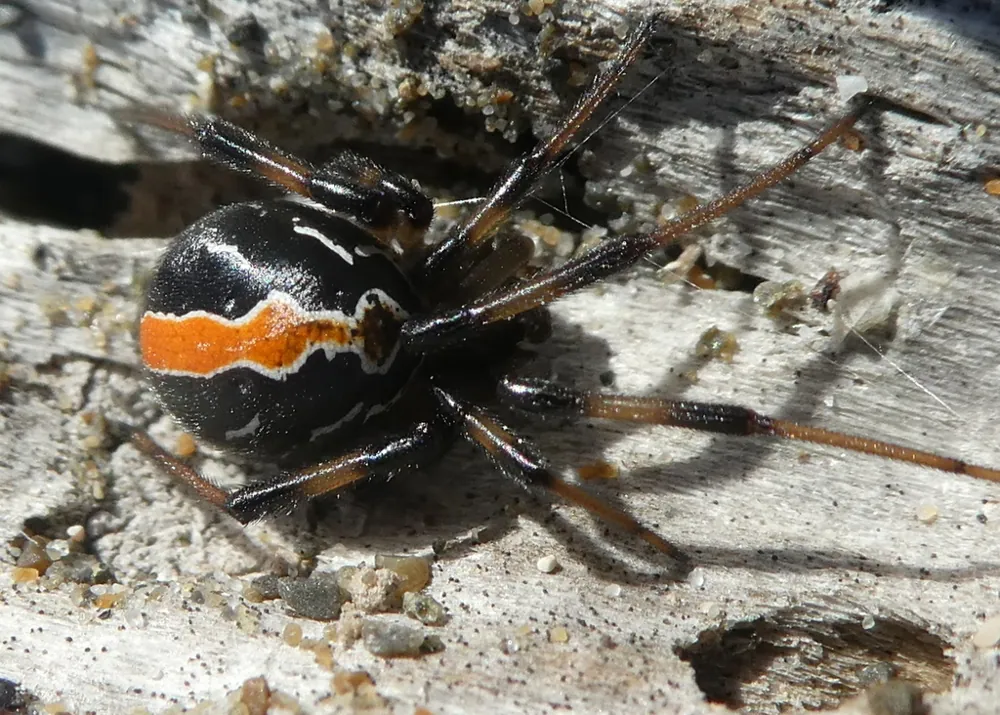
 วิธีสังเกต
- Adult females have a body length of 8–10 mm (about 0.3–0.4 in).1
- The red katipō, found in the South Island and lower North Island, has a large black, shiny abdomen with a white-bordered orange or red stripe on top, and a red hourglass-shaped marking underneath.1
- The black katipō, found in the upper North Island, has no upper red or orange stripe and is somewhat lighter in colour.1
- Males are 4–5 mm long, white with black stripes and red hourglass-shaped markings.1
มักสับสนกับ: Steatoda species, which share the same habitat, are very similar and are called "false katipō" in New Zealand. The katipō has a less shiny, more tapered abdomen, and its side eyes are further apart. It is also similar to the redback, but the katipō has only short hair-like spines on its abdomen, while the redback has a mix of long and short ones.1
พลังพิษ
พิษออกมาทางเขี้ยวหรือฟันตอนกัด
พิษของมันทำอะไร?
The bite can cause latrodectism, a toxic syndrome that affects the nerves and body. Symptoms include extreme pain and, potentially, high blood pressure (hypertension) or seizures.1
อันตรายต่อคนแค่ไหน?
อันตรายต่อคน: รุนแรงถูกกัดต้องไปหาหมอ แต่การเสียชีวิตเกิดขึ้นน้อยมากKatipō are venomous to humans, but bites are described as rare. Serious symptoms are possible, including extreme pain, high blood pressure and seizures.1
 ข่าวดี: หมอมียา (เซรุ่มต้านพิษ) หรือวิธีรักษา1
 ถ้ามันกัด
- ล้างแผลถูกกัดและประคบน้ำแข็งบรรเทาปวด ไปพบแพทย์ถ้าปวดมาก ปวดลาม หรือรู้สึกไม่สบาย
โทรหาเบอร์ฉุกเฉินก่อนเสมอ (112, 000, 911) นี่คือคำแนะนำการปฐมพยาบาลทั่วไป ไม่ใช่คำแนะนำทางการแพทย์ พื้นฐานการปฐมพยาบาล
 ปลอดภัยไว้
- อย่าจับ อย่าไล่จับ อย่าแหย่สัตว์ป่าเด็ดขาด แม้ตัวเล็ก และแม้ดูเหมือนหลับหรือตายแล้ว
- เว้นระยะให้มัน ถ้าเจอ ใจเย็น ๆ ค่อย ๆ ถอยออกมา แล้วปล่อยให้มันไปตามทางของมัน
- ถ้ามันกัดเธอ: ใจเย็น อยู่นิ่ง ๆ โทรเบอร์ฉุกเฉิน (112, 000, 911) หรือรีบไปโรงพยาบาล จำว่ามันหน้าตาเป็นอย่างไร มีรูปจะช่วยได้มาก
มันไม่ได้ตั้งใจมาทำร้ายเธอ มันใช้พิษเพื่อจับอาหารหรือป้องกันตัว และชอบหลบซ่อนมากกว่า เพิ่มเติมเรื่องความปลอดภัย
อยู่ที่ไหนในโลก?
ตัวใหญ่แค่ไหน?
มันยาวแค่ไหน?
 เล็กจนนั่งบนเล็บเธอได้
Katipoตัวใหญ่แค่ไหนเมื่อเทียบกับเธอ?
แค่คำนวณในเบราว์เซอร์ของเธอ ไม่มีอะไรถูกบันทึกหรือส่งไปที่ไหน
มันเร็วแค่ไหน?


ข้อเท็จจริง
In one 24-hour study of young spiders, 28% left the web by ballooning, carried by air currents.1
Katipō is one of the few Māori words that refers to a specific species of spider.1
The female does not usually eat the male after mating, unlike some other widow spiders.1
Females cover their egg sacs with silk and sand, which partly hides them in the web.1
The katipō is found only in New Zealand.1
ไขความเชื่อผิด ๆ
ความเชื่อ: The katipō is just a form of the redback spider.
ความจริง: The katipō is genetically and physically distinct from the redback, even though the two are closely related. It was once thought to be a subspecies of the redback.1
สำหรับผู้เชี่ยวชาญเรื่องพิษ
- ชื่อวิทยาศาสตร์
- Latrodectus katipo
- กลุ่ม
- แมงมุม
- ครอบครัว
- Theridiidae2
- ลำดับ
- Araneae
- ทวีป
- ออสเตรเลียและโอเชียเนีย
- ลูก
- The female lays five or six egg sacs in November or December, with about 70 to 90 eggs in each. The young hatch after 20–25 days and leave the egg sac in January and February.1
- สถานะในธรรมชาติ
- In serious decline (New Zealand Threat Classification System)1
- อันตรายต่อคน
- 3 / 5: รุนแรง3
ข้อมูลมาจากไหน
- Katipō (Wikipedia (CC BY-SA 4.0))
- Latrodectus katipo (iNaturalist): ชื่อและการจำแนก
- Venom Wiki: ระดับอันตราย ขนาดทั่วไป และความเร็วโดยประมาณเป็นของเราเอง ดูวิธีที่เราคิดได้: เราประเมินอันตรายอย่างไร.
ข้อมูลทุกข้อในหน้านี้มีตัวเลขบอกแหล่งที่มา ถ้าเราผิดพลาด ขอโทษนะ เราเป็นคนรักสัตว์ ไม่ใช่วารสารวิทยาศาสตร์ บอกเราที่ [email protected] แล้วเราจะแก้ไข
 แมงป่องหิวแล้ว! Venom Wiki เป็นโปรเจกต์ของคนคนเดียว: ฟรี ไม่มีโฆษณา ไม่มีตัวติดตาม ทิปเล็ก ๆ ช่วยให้เว็บยังออนไลน์อยู่ให้อาหารแมงป่อง
 Redback spider
 White-tailed spider
 Peacock spider
 Badge huntsman spider
 Black house spider
 Eastern white-tailed spider
 Coastal taipan
 Common death adder
 Eastern brown snake
 งูไทปันอินแลนด์
 Sydney funnel-web spider
 งูเสือออสเตรเลีย