
 Afrique
 Asie
Asie Europe
 Amérique du Sud
 Australie et Océanie
 Antarctique
 Océan Pacifique
 Océan Atlantique
 Océan Indien
 Océan Arctique
 Mer Méditerranée
 Mer Rouge
 Mer des Caraïbes
 Mer de Corail
 Mer de Chine méridionale
 Mer des Philippines
 Mer d'Andaman
 Mer du Nord
 Mer de Timor et d'Arafura
 Golfe du Bengale
 Golfe de Californie
Cane toad
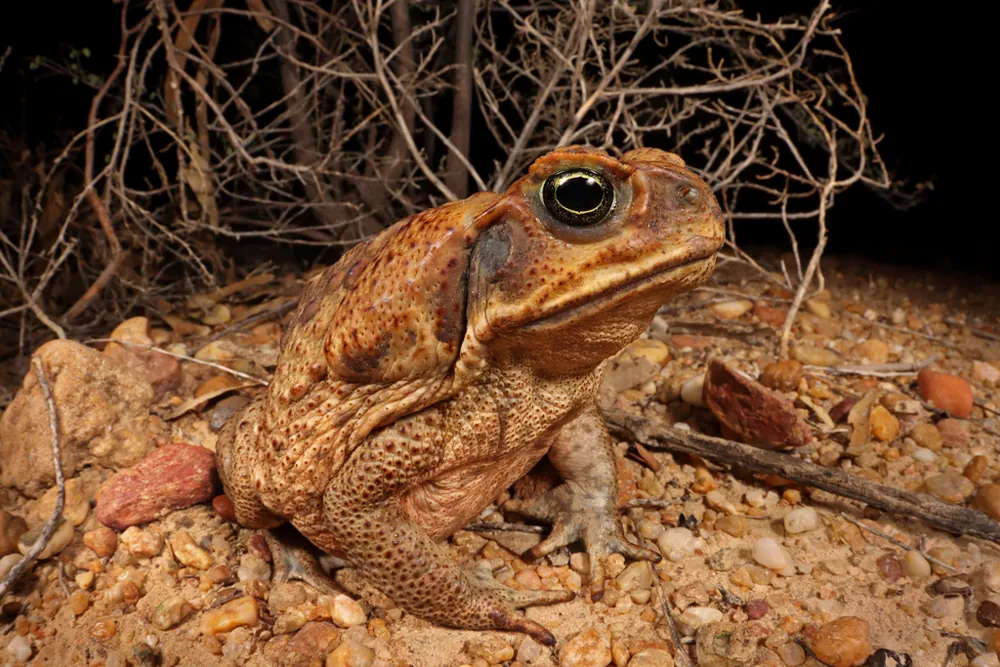
 Poison dans la peauMange : Un peu de toutVénéneux, pas venimeux
The cane toad is a large toad that is very poisonous to many animals. It is native to South and mainland Central America, but people have moved it to islands in Oceania and the Caribbean and to northern Australia. It matters because it spreads quickly and harms native wildlife and pets.1
 Comment le reconnaître
- Very large, with adults usually 10 to 15 cm long1
- Dry, warty skin with distinct ridges above the eyes that run down the snout1
- A large parotoid gland (a swollen gland) behind each eye1
- Grey, yellowish, red-brown or olive-brown skin, often with patterns1
- Horizontal pupils and golden irises1
Souvent confondu avec : In Australia, adults can be confused with large native frogs, but these lack the large parotoid glands and the ridge between the nostril and eye. The giant burrowing frog has vertical pupils and silver-grey irises, while the cane toad has horizontal pupils and golden irises. In the United States, the southern toad has two bulbs in front of the parotoid glands.1
Puissance du poison
Sa peau est toxique. Il est dangereux de le toucher, de le lécher ou de le manger.
Que fait son poison ?
The toad's glands secrete a milky-white fluid called bufotoxin when it is threatened. Components of bufotoxin are toxic to many animals. In dogs, signs of poisoning include excessive drooling, extremely red gums, head-shaking, crying and loss of coordination.1
À quel point est-il dangereux pour l'homme ?
Danger pour l'homme: GraveSi quelqu'un le touche ou le mange, il faut voir un médecin. Les décès sont très rares.The toxic skin can kill many wild and domestic animals. Dogs are especially at risk from licking or biting the toad. Human deaths have also been recorded after people ate cane toads.1
Que fait-il quand il a peur ?
When threatened, it releases bufotoxin from its glands.1
 Si quelqu'un l'a touché ou mangé
- Si quelqu'un en a touché un : lave-toi bien les mains et ne touche pas tes yeux ni ta bouche. Si un enfant ou un animal en a léché ou mangé un : appelle le centre antipoison ou ton numéro d'urgence.
Appelle toujours d'abord ton numéro d'urgence (112, 000, 911). Ce sont des conseils généraux de premiers secours, pas un avis médical. Les bases des premiers secours
 Reste en sécurité
- Ne touche, n'attrape et n'embête jamais un animal sauvage, même petit, et même s'il a l'air endormi ou mort.
- Laisse-lui de la place. Si tu en croises un, reste calme, recule doucement et laisse-le passer son chemin.
- Si tu l'as touché ou mangé : ne frotte pas tes yeux ni ta bouche, lave-toi les mains et va voir un médecin.
Il ne t'en veut pas. Son poison ne sert qu'à ce que personne ne le mange. Plus d'infos pour rester en sécurité
Où dans le monde ?
Quelle taille fait-il ?
Quelle longueur fait-il ?
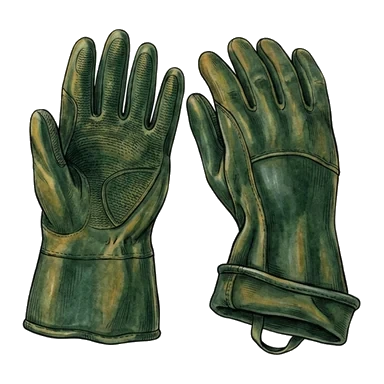
 aussi long que 8 briques de construction en ligne
 pourrait parcourir 100 mètres en 180 secondes (l'humain le plus rapide met 9,6)
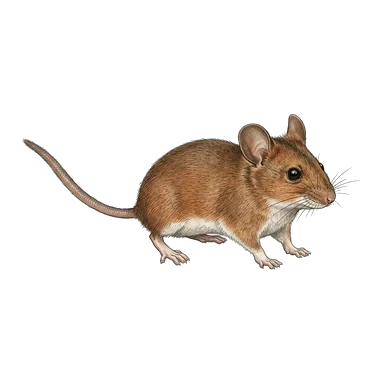
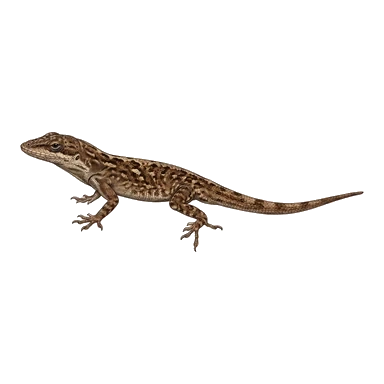
Quelle taille fait Cane toad comparé à TOI ?
Juste des calculs dans ton navigateur. Rien n'est enregistré ni envoyé nulle part.
À quelle vitesse va-t-il ?


Faits
Young toads lose the toxicity they had as eggs and tadpoles, and they only develop their poison glands later. Only an estimated 0.5% of cane toads reach adulthood.1
In Australia, tadpoles have evolved to be more likely to eat their siblings than tadpoles in South America.1
A female can lay thousands of eggs in one spawn, in strings up to 20 metres long.1
In the wild, cane toads can live 10 to 15 years, and one captive toad was reported to have lived 35 years.1
The cane toad is considered the largest species in the Bufonidae, the toad family.1
Cane toads eat both living and dead matter, which is unusual among frogs and toads.1
Démêle le vrai du faux
Idée reçue : The name 'marine toad' suggests that cane toads live in the sea.
Vérité : Cane toads do not live in the sea. The name came from a mistaken belief by an early naturalist.1
Pour les experts en venin
- Nom scientifique
- Rhinella marina
- Groupe
- Grenouilles toxiques, crapauds et tritons
- Famille
- Bufonidae2
- Ordre
- Anura
- Continents
- Amérique du Nord, Amérique du Sud
- Petits
- A female lays 8,000 to 25,000 eggs at once, in long jelly strings that can stretch up to 20 metres.1
- Durée de vie
- environ 15 ans1
- Danger pour l'homme
- 3 / 5: Grave3
D'où viennent les faits
- Cane toad (Wikipedia (CC BY-SA 4.0))
- Rhinella marina (iNaturalist): noms et classification.
- Venom Wiki: le niveau de danger, la taille typique et la vitesse estimée sont les nôtres. Regarde comment on les calcule : Comment on évalue le danger.
Chaque fait sur cette page a un numéro qui renvoie à sa source. Si on s'est trompés, désolés, on est des fans d'animaux, pas une revue scientifique. Dis-le-nous à [email protected] et on corrigera.
 Le scorpion a faim ! Venom Wiki est le projet d'une seule personne : gratuit, sans pub et sans traceurs. Un petit pourboire aide à le garder en ligne.Nourris le scorpion
Plus du même groupe: Grenouilles toxiques, crapauds et tritons
 Golden poison frogGrenouilles toxiques, crapauds et tritonsMortelNe pas toucher
 Dyeing poison dart frogGrenouilles toxiques, crapauds et tritonsFait juste malNe pas toucher
 Strawberry poison-dart frogGrenouilles toxiques, crapauds et tritonsFait juste malNe pas toucher
 Black-legged poison frogGrenouilles toxiques, crapauds et tritonsPeut tuerNe pas toucher
 California newtGrenouilles toxiques, crapauds et tritonsPeut tuerNe pas toucher
 Rough-skinned newtGrenouilles toxiques, crapauds et tritonsPeut tuerNe pas toucher
 Terciopelo
 Eastern coral snake
 Eastern diamondback rattlesnake
 Eyelash viper
 Timber rattlesnake
 Western diamondback rattlesnake