
 Afrika
 Asia
Asia Eropah
 Amerika Selatan
 Australia & Oceania
 Antartika
 Lautan Pasifik
 Lautan Atlantik
 Lautan Hindi
 Lautan Artik
 Laut Mediterranean
 Laut Merah
 Laut Caribbean
 Laut Karang
 Laut China Selatan
 Laut Filipina
 Laut Andaman
 Laut Utara
 Laut Timor & Laut Arafura
 Teluk Benggala
 Teluk California
Pine processionary
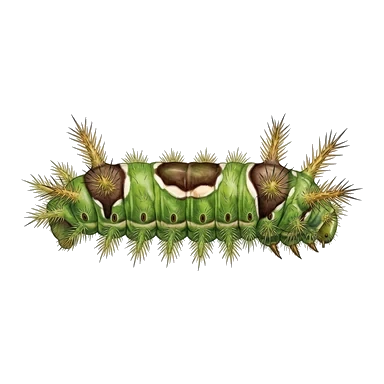 Bulu yang menyengat
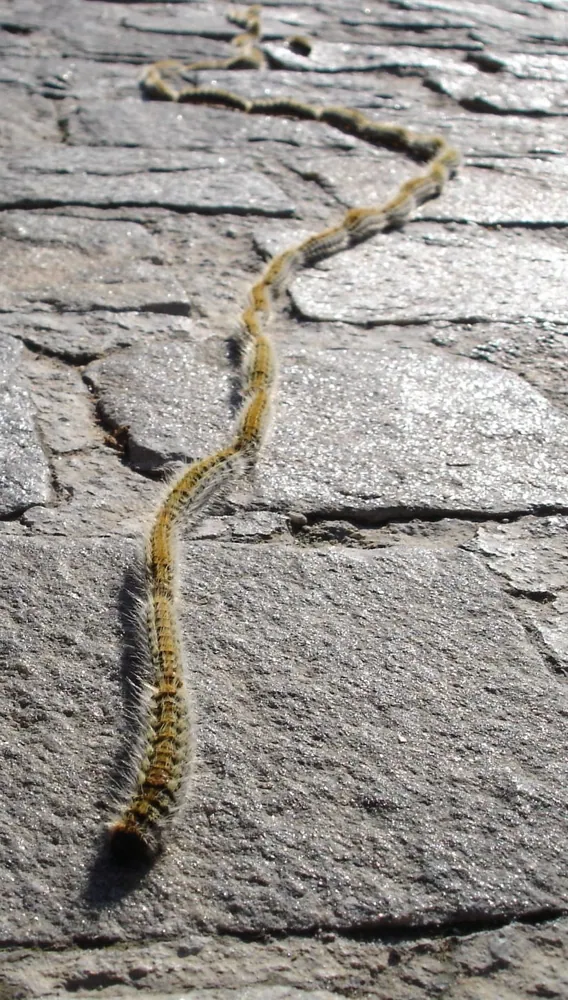
The pine processionary is a moth whose caterpillars are famous for marching in long, nose-to-tail lines through pine woods. Their hairs cause painful rashes and eye irritation, and they can strip the needles from whole trees. It lives around the Mediterranean and is spreading north.1
 Cara mengenalinya
- Caterpillars are orange-brown and hairy, with blue bands.1
- Large silken nests in pine trees, often with several in one tree and signs of stripped needles.1
- Caterpillars move in single-file processions, usually at night and when leaving the tree to pupate.1
- Adults have predominantly light brown forewings with brown markings and white hindwings.1
- Adult males have a crescent marking on the wings and are larger than the oak processionary.1
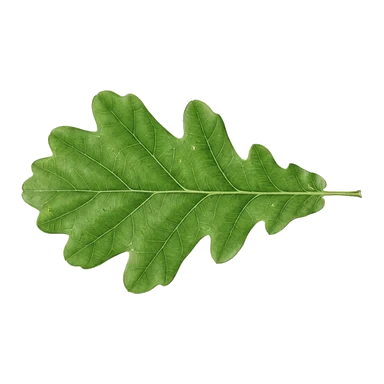
Sering dikelirukan dengan: The oak processionary (Thaumetopoea processionea) is smaller as an adult, has an indistinct wing marking rather than a crescent, and lives in broad-leaved rather than coniferous forests. The pale eggar moth has no crescent marking on its wings.1
Kuasa bisa
Bulu atau duri halus patah di dalam kulit dan menyengat.
Apa kesan bisanya?
The species is not venomous. Its caterpillars have hairs containing an irritant chemical called thaumetopoein, which causes skin rashes (urticaria) and eye irritation on contact. Some people may have an allergic reaction. The hairs of fifth-stage larvae can also break off and spread across nearby exposed skin.1
Berapa bahaya ia kepada manusia?
Bahaya kepada manusia: MenyakitkanIa boleh jadi sangat sakit, tetapi hampir tidak pernah serius.Simple contact with the caterpillar hairs can cause severe rashes and eye irritation in humans and other mammals. Some individuals may have an allergic reaction.1
Apa yang ia buat apabila takut?
When stressed or threatened, fifth-stage caterpillars eject harpoon-shaped hairs that irritate any exposed skin nearby.1
 Jika kamu menyentuh bulunya
- Untuk bulu ulat yang menyengat: angkat bulu itu dengan pita pelekat, kemudian basuh kulit. Jangan gosok.
- Untuk gigitan: basuh dan sejukkan. Dapatkan bantuan perubatan jika orang itu berasa tidak sihat atau mudah berdarah.
Sentiasa hubungi nombor kecemasan dahulu (112, 000, 911). Ini panduan pertolongan cemas umum, bukan nasihat perubatan. Asas pertolongan cemas
 Kekal selamat
- Jangan sesekali sentuh, tangkap atau usik haiwan liar, walaupun yang kecil, dan walaupun ia nampak tidur atau mati.
- Beri ia ruang. Jika kamu terjumpa, bertenang, undur perlahan-lahan dan biarkan ia pergi.
- Jika kamu menyentuh bulunya: bertenang, jangan bergerak, hubungi nombor kecemasan (112, 000, 911) atau pergi ke hospital dengan segera. Ingat rupanya, gambar boleh membantu.
Ia bukan mahu memburu kamu. Ia guna bisanya untuk menangkap makanan atau melindungi diri, dan ia lebih suka bersembunyi. Lagi tentang keselamatan
Di mana di dunia?
Berapa besar ia?
Berapa panjang ia?
 lebih kurang sepanjang klip kertas
 lebih perlahan daripada siput kebun
Berapa besar Pine processionary berbanding KAMU?
Hanya matematik dalam pelayar kamu. Tiada apa yang disimpan atau dihantar ke mana-mana.
Berapa laju ia?


Fakta
Caterpillars in a procession hold together through touch from the caterpillar in front, which takes priority over the trail pheromone or silk.1
The caterpillars are one of the few temperate-zone insects whose larvae develop through the winter, living in silk nests high in pine trees.1
Adults live for only a single day, during which they mate and lay eggs.1
The Greek physician Dioscorides described the itching caused by this caterpillar in the 1st century AD, and Pliny the Elder recorded a treatment for it.1
Outbreaks are somewhat cyclical, with a period of 7 to 9 years.1
Pemecah mitos
Mitos: Fabre's caterpillars marched in a circle around a flower pot only because they were trapped on its rim.
Hakikat: Young caterpillars' circular trails continue for as long as 12 hours even when they are free on a flat surface.1
Untuk pakar bisa
- Nama saintifik
- Thaumetopoea pityocampa
- Kumpulan
- Ulat bulu & serangga
- Keluarga
- Notodontidae2
- Susunan
- Lepidoptera
- Benua-benua
- Eropah, Afrika, Asia
- Anak
- Each female lays an enormous number of eggs near the tops of pine trees, in cylindrical egg masses 4 to 5 cm long covered with scales that mimic pine shoots.1
- Bahaya kepada manusia
- 2 / 5: Menyakitkan3
Dari mana fakta datang
- Pine processionary (Wikipedia (CC BY-SA 4.0))
- Thaumetopoea pityocampa (iNaturalist): nama dan pengelasan.
- Venom Wiki: tahap bahaya, saiz biasa dan anggaran kelajuan adalah penilaian kami sendiri. Lihat cara kami mengiranya: Cara kami menilai bahaya.
Setiap fakta di halaman ini ada nombor yang menunjuk kepada sumbernya. Jika kami tersilap, maaf, kami peminat haiwan, bukan jurnal sains. Beritahu kami di [email protected] dan kami akan betulkan.
 Kala jengking lapar! Venom Wiki ialah projek seorang lelaki: percuma, tanpa iklan dan tanpa penjejak. Sedikit sumbangan membantu memastikannya terus dalam talian.Beri kala jengking makan
Lagi dari kumpulan yang sama: Ulat bulu & serangga
 Oak processionaryUlat bulu & seranggaSakit sahajaJangan sentuh
 White-spotted assassin bugUlat bulu & seranggaSakit sahaja
 Common bombardier beetleUlat bulu & seranggaTidak berbahaya
 Asian giant water bugUlat bulu & seranggaSakit sahaja
 Blue-striped nettle grubUlat bulu & seranggaSakit sahajaJangan sentuh
 Brown-tail mothUlat bulu & seranggaSakit sahajaJangan sentuh
Juga hidup di: Eropah
 Common European adderUlar kapak & adderPerlu jumpa doktor
 Spanish flyHaiwan beracun lainPerlu jumpa doktorJangan sentuh
 Common waspLebah, penyengat & tebuanSakit sahaja
 European hornetLebah, penyengat & tebuanSakit sahaja
 Fire salamanderKatak beracun, katak puru & newtSakit sahajaJangan sentuh
 Western honey beeLebah, penyengat & tebuanSakit sahaja