
 Àfrica
 Àsia
Àsia Europa
 Amèrica del Sud
 Austràlia i Oceania
 Antàrtida
 Oceà Pacífic
 Oceà Atlàntic
 Oceà Índic
 Oceà Àrtic
 Mar Mediterrània
 Mar Roja
 Mar Carib
 Mar del Corall
 Mar de la Xina Meridional
 Mar de les Filipines
 Mar d'Andaman
 Mar del Nord
 Mar de Timor i d'Arafura
 Golf de Bengala
 Golf de Califòrnia
Pine processionary
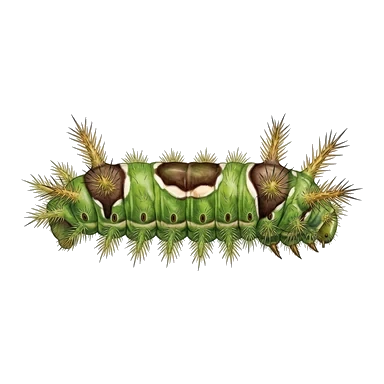 Pèls urticants
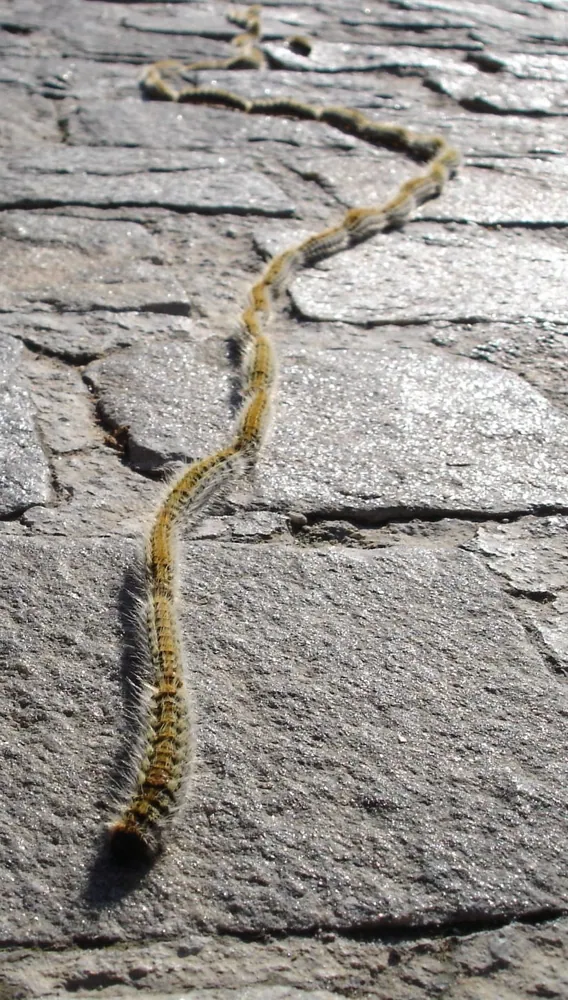
The pine processionary is a moth whose caterpillars are famous for marching in long, nose-to-tail lines through pine woods. Their hairs cause painful rashes and eye irritation, and they can strip the needles from whole trees. It lives around the Mediterranean and is spreading north.1
 Com reconèixer-lo
- Caterpillars are orange-brown and hairy, with blue bands.1
- Large silken nests in pine trees, often with several in one tree and signs of stripped needles.1
- Caterpillars move in single-file processions, usually at night and when leaving the tree to pupate.1
- Adults have predominantly light brown forewings with brown markings and white hindwings.1
- Adult males have a crescent marking on the wings and are larger than the oak processionary.1
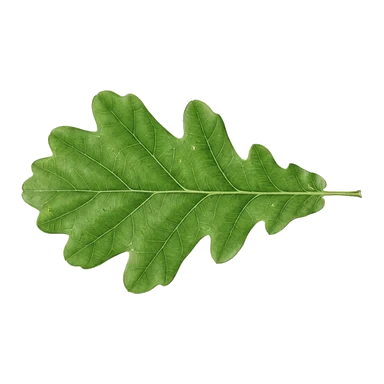
Sovint es confon amb: The oak processionary (Thaumetopoea processionea) is smaller as an adult, has an indistinct wing marking rather than a crescent, and lives in broad-leaved rather than coniferous forests. The pale eggar moth has no crescent marking on its wings.1
Poder del verí
Pèls o cerres petitons es trenquen dins la pell i couen.
Què fa el seu verí?
The species is not venomous. Its caterpillars have hairs containing an irritant chemical called thaumetopoein, which causes skin rashes (urticaria) and eye irritation on contact. Some people may have an allergic reaction. The hairs of fifth-stage larvae can also break off and spread across nearby exposed skin.1
Com de perillós és per a les persones?
Perill per a les persones: DolorósPot fer molt de mal, però gairebé mai no és greu.Simple contact with the caterpillar hairs can cause severe rashes and eye irritation in humans and other mammals. Some individuals may have an allergic reaction.1
Què fa quan té por?
When stressed or threatened, fifth-stage caterpillars eject harpoon-shaped hairs that irritate any exposed skin nearby.1
 Si toques els seus pèls
- Per als pèls urticants de les erugues: treu-los amb cinta adhesiva i després renta la pell. No freguis.
- Per a les mossegades: renta i refreda. Busca ajuda mèdica si la persona es troba malament o sagna amb facilitat.
Truca sempre primer al número d'emergències (112, 000, 911). Això són pautes generals de primers auxilis, no consells mèdics. Primers auxilis bàsics
 Estigues segur
- No toquis, atrapis ni molestis mai un animal salvatge, encara que sigui petit i encara que sembli adormit o mort.
- Deixa-li espai. Si en trobes un, mantén la calma, recula a poc a poc i deixa que segueixi el seu camí.
- Si toques els seus pèls: mantén la calma, no et moguis, truca al número d'emergències (112, 000, 911) o ves de pressa a un hospital. Recorda com era, una foto ajuda.
No va a per tu. Fa servir el verí per caçar o per defensar-se, i prefereix mil vegades amagar-se. Més sobre com estar segur
Que gran és?
Quant fa de llarg?
 més o menys el que fa de llarg un clip
 més lent que un cargol de jardí
Que gran és Pine processionary comparat amb TU?
Només càlculs al teu navegador. No es desa ni s'envia res enlloc.
Com de ràpid va?


Dades
Caterpillars in a procession hold together through touch from the caterpillar in front, which takes priority over the trail pheromone or silk.1
The caterpillars are one of the few temperate-zone insects whose larvae develop through the winter, living in silk nests high in pine trees.1
Adults live for only a single day, during which they mate and lay eggs.1
The Greek physician Dioscorides described the itching caused by this caterpillar in the 1st century AD, and Pliny the Elder recorded a treatment for it.1
Outbreaks are somewhat cyclical, with a period of 7 to 9 years.1
Desmuntamites
Mite: Fabre's caterpillars marched in a circle around a flower pot only because they were trapped on its rim.
Veritat: Young caterpillars' circular trails continue for as long as 12 hours even when they are free on a flat surface.1
Per a experts en verins
- Nom científic
- Thaumetopoea pityocampa
- Grup
- Erugues i bestioles
- Família
- Notodontidae2
- Ordre
- Lepidoptera
- Continents
- Europa, Àfrica, Àsia
- Cries
- Each female lays an enormous number of eggs near the tops of pine trees, in cylindrical egg masses 4 to 5 cm long covered with scales that mimic pine shoots.1
- Perill per a les persones
- 2 / 5: Dolorós3
D'on surten les dades
- Pine processionary (Wikipedia (CC BY-SA 4.0))
- Thaumetopoea pityocampa (iNaturalist): noms i classificació.
- Venom Wiki: el nivell de perill, la mida típica i la velocitat estimada són nostres. Mira com els calculem: Com valorem el perill.
Cada dada d'aquesta pàgina té un número que porta a la seva font. Si ens hem equivocat en alguna cosa, perdona, som fans dels animals, no una revista científica. Escriu-nos a [email protected] i ho arreglarem.
 L'escorpí té gana! Venom Wiki és un projecte d'una sola persona: gratuït, sense anuncis i sense rastrejadors. Una petita propina ajuda a mantenir-lo en línia.Dona menjar a l'escorpí
Més del mateix grup: Erugues i bestioles
 Oak processionaryErugues i bestiolesNomés fa malNo ho toquis
 White-spotted assassin bugErugues i bestiolesNomés fa mal
 Common bombardier beetleErugues i bestiolesInofensiu
 Asian giant water bugErugues i bestiolesNomés fa mal
 Blue-striped nettle grubErugues i bestiolesNomés fa malNo ho toquis
 Brown-tail mothErugues i bestiolesNomés fa malNo ho toquis
També viu a: Europa
 Common European adderEscurçons i vibresCal anar al metge
 Spanish flyAltres animals tòxicsCal anar al metgeNo ho toquis
 Common waspAbelles, vespes i vesparronsNomés fa mal
 European hornetAbelles, vespes i vesparronsNomés fa mal
 Fire salamanderGranotes punta de fletxa, gripaus i tritonsNomés fa malNo ho toquis
 Western honey beeAbelles, vespes i vesparronsNomés fa mal